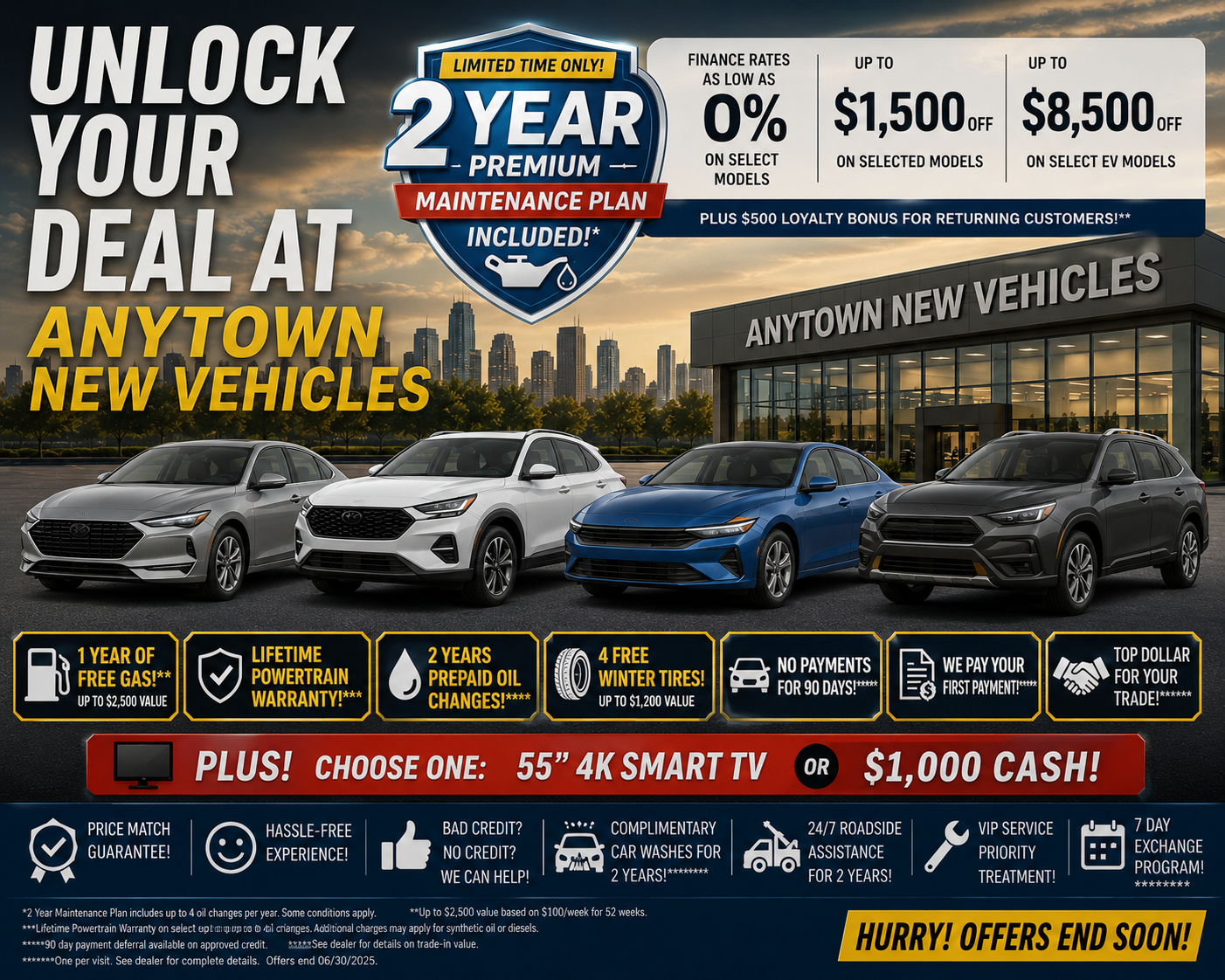
Car dealership ads are designed to do one thing above all else: get you through the front door. While many ads technically comply with advertising laws, the reality is that the offer customers see online or in a flyer is often very different from the deal they are actually presented once they arrive at the dealership.
Carzooka’s Car Ads 101
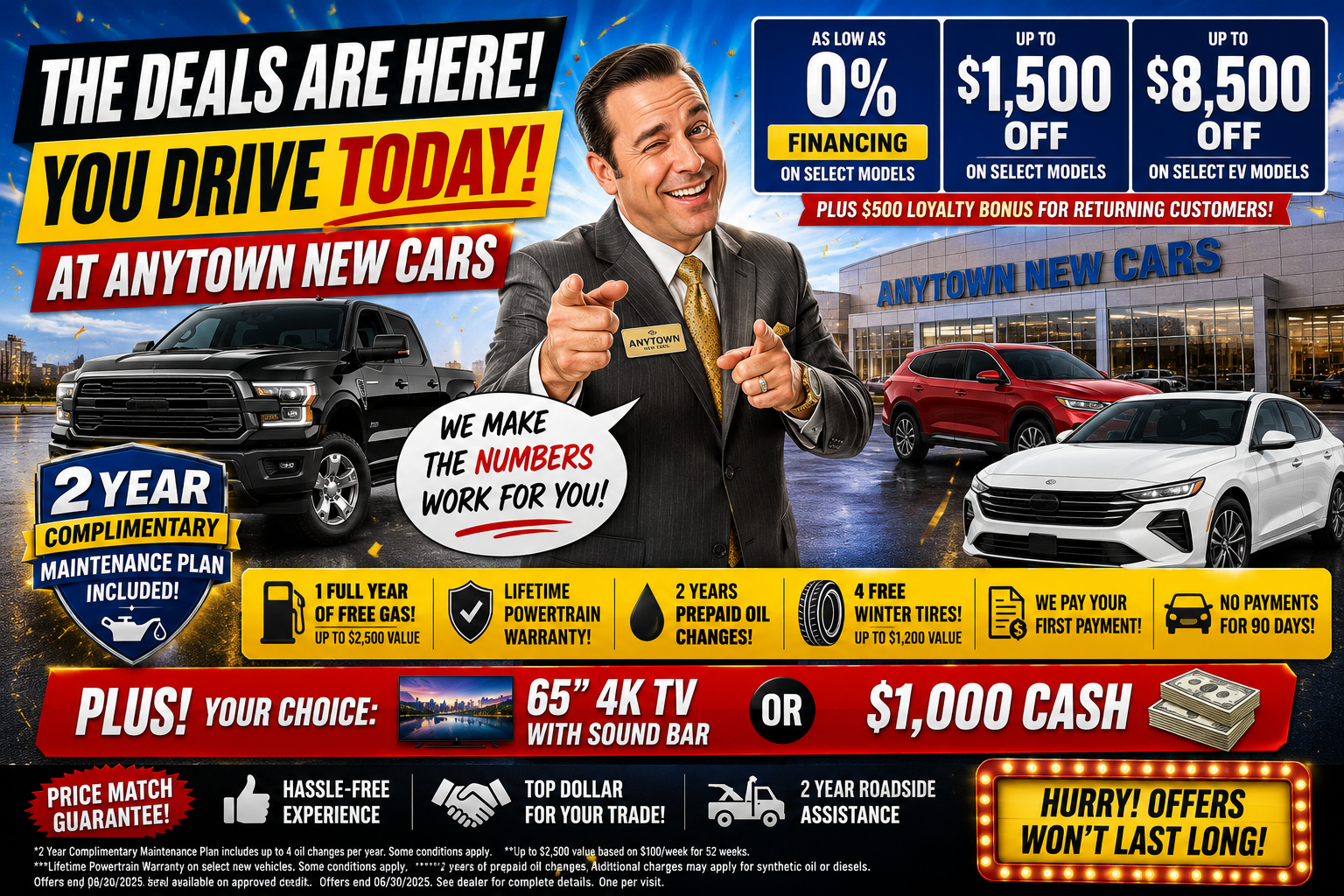
In our home province of Ontario, dealerships are regulated by OMVIC, which requires “all-in pricing.” This means that the price you see advertised must include all fees including freight, pre-delivery inspection (PDI), and accessories already on the vehicle. The only costs that the dealer can legally add once you arrive at the store are applicable taxes and licensing.
Knowing this rule is empowering for a consumer because you are within your rights to demand the advertised price and nothing more. If a dealer fails to do so, that is a violation of the Motor Vehicle Dealers Act (MVDA) and should be reported to OMVIC (1-800-943-6002). Consumer complaints help regulators identify patterns and encourage better industry practices. It is important to be aware of the advertising rules in your home province or state.
Even with these advertising rules, many dealers still rely on confusing language, unrealistic payment examples, and fine print to create offers that appear far better than they truly are.
Here are some of the most common misleading tactics used in dealership advertising, ranked from most egregious to least:
1. The Advertised Discount Only Applies to One Specific Vehicle in Stock
A dealer may advertise “$8,500 OFF!” when in reality only one vehicle qualifies — often a less desirable trim, colour, or unit with aging inventory status. By the time you arrive, that vehicle may already be “sold,” and you are redirected toward higher-priced inventory. Ask the dealer: Can you show me the exact vehicle that qualifies for this discount, and are there any other vehicles that are available at the same price?
2. The Payment In The Ad Is Rarely What You Will Actually Pay
Dealers love advertising extremely low bi-weekly or weekly payments because smaller numbers feel psychologically easier to accept. However, once taxes, fees, protection products, extended terms, or higher interest rates are added, the actual payment can rise dramatically. Ask the dealer: Can you show me the full payment breakdown including taxes, interest rate, term length, and any additional products or fees?
3. Offers Often Cannot Be Combined
An ad may show low finance rates, cash rebates, loyalty bonuses, and discounted pricing all at once, creating the impression that every incentive stacks together. In reality, customers are frequently told they must choose between low financing or the rebate, because they can’t have both. This limitation should be clearly stated in the fine print of the ad at the very least.
4. Incentives May Only Apply to Certain Trim Lines or Configurations
The attractive advertised lease or finance payment often applies only to a base model with few options that the dealership may not even stock regularly. Customers then discover the vehicle they want costs significantly more per month.
5. Mandatory Add-ons Quietly Inflate the Price
Some dealerships advertise aggressive pricing but later insist on add-ons such as wheel locks, security etching, nitrogen tires, rustproofing, or protection packages. Under OMVIC rules, mandatory fees should be included in advertised pricing, but disputes still occur over what is considered optional versus required. DO NOT accept these add-ons if you do not need them, and don’t be afraid to walk away if the dealer insists.
6. The Advertised Term is Unrealistically Long
Extremely low payments are often based on 84- or 96-month financing terms. While the payment looks attractive, buyers may spend years “upside down” on the loan. This means you may owe more on the loan than what the vehicle is actually worth. It’s always a good idea to check the current market value of 3 to 4 year old versions of that new vehicle you are looking to buy. This way you will have an understanding of what the car will be worth down the road, and help determine the best finance term.
7. Fine Print Hides Major Conditions
Many ads contain disclaimers such as “on approved credit,” “limited quantity,” or “plus dealer-installed accessories.” These conditions dramatically affect whether the offer will apply to you, or even if it’s real.
8. Don’t Fall for the “Private Sale”
Dealerships love to advertise what they call “Private Sales.” These events are acts of desperation where the store is hoping to rope in a large number of sales over a short period of time, hoping that you get caught up in the excitement. The advertising for a Private Sale event usually comes in an email with a long list of incentives. In this instance, your plan of attack is no different than usual. Read the fine print and evaluate each offer to see how it applies to your vehicle of interest. On the positive side, these sales events can include some great discounts, lower interest rates, and added bonuses. Just don’t get caught up in costly add-ons once you arrive at the dealership.
It’s important to note that many dealerships advertise transparently and treat customers fairly, but consumers should still understand how automotive advertising works before making a purchase decision.
Quick Tips for Decoding Car Ads
Don’t judge a deal by the advertised payment alone.
Always check the finance or lease term attached to the offer.
Read the fine print before assuming incentives can be combined.
Verify that the advertised vehicle is actually available in stock.
Be cautious of ads promoting unusually large discounts or rebates.
Compare pricing from multiple dealerships before making a decision.
Watch for phrases like “starting from” or “on approved credit.”
Ask for a written breakdown of the full offer before visiting the dealership.
The best defence against misleading advertising is preparation. A flashy ad may grab your attention, but understanding how dealership marketing works will help you separate a genuine deal from a carefully structured sales pitch.